
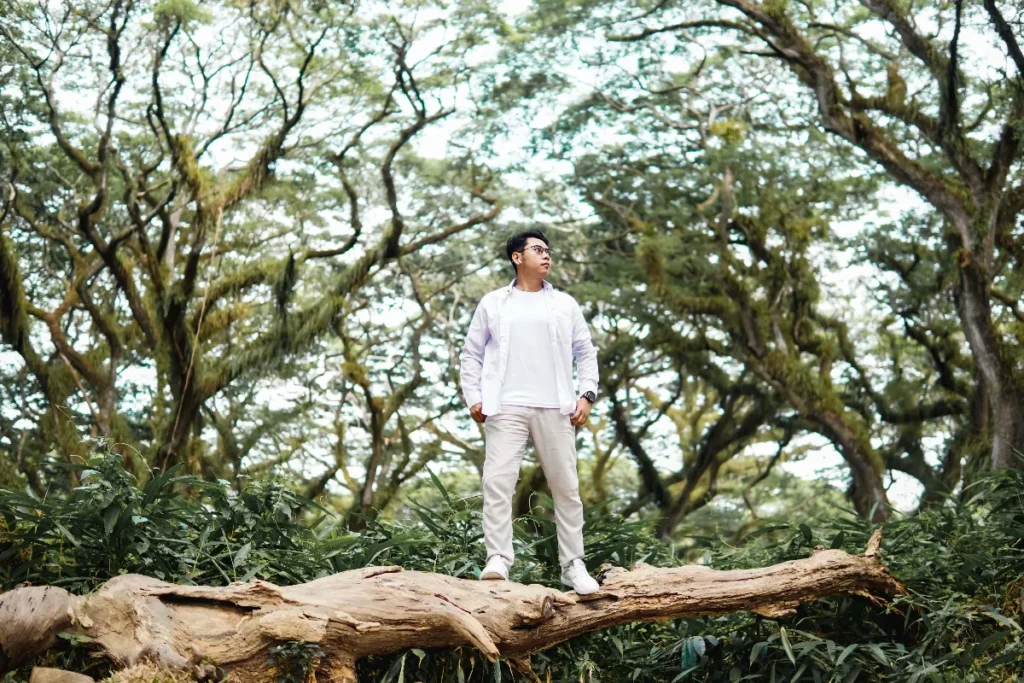
Djawatan Forest, located in Benculuk Village, Cluring District, Banyuwangi, East Java, is one of Indonesia’s most unique natural destinations. Often nicknamed “the Forest of the Ents” because of its towering trembesi (rain tree) canopies that resemble scenes from fantasy movies, Djawatan Forest is not only visually striking but also rich in history and cultural meaning. Long before it became a popular ecotourism spot, this forest played an important role in the region’s environmental and economic development.
The Origins of Djawatan Forest
The origins of Djawatan Forest date back to the Dutch colonial era. During this period, large areas of land in Banyuwangi were managed for plantation and forestry purposes. The trembesi trees (Samanea saman) that dominate Djawatan today were planted as part of a reforestation and land management program. These trees were chosen because of their wide canopies, strong roots, and ability to improve soil quality by retaining moisture and preventing erosion.
Initially, the area was not intended to be a tourist destination. It functioned as a protected forest zone and a green buffer around plantation and railway-related infrastructure. The name “Djawatan” itself comes from the Dutch term referring to government forestry offices, reflecting the area’s original administrative function as a managed forest under colonial governance.
Role in Local Life and Economy
For decades, Djawatan Forest served practical purposes for the surrounding communities. The forest acted as a natural water catchment area, helping regulate the local microclimate and providing shade in what is otherwise a relatively dry region. Local residents relied on the forest environment for small-scale livelihoods, such as collecting non-timber forest products and using the shaded area for community activities.
Over time, the forest also became a quiet landmark for locals—a familiar green space passed by on daily routes, long before it attracted visitors from outside the region. Its ecological value, however, remained largely underappreciated by the wider public.
Transformation into an Ecotourism Destination
Djawatan Forest began gaining broader attention in the late 2010s, largely due to the rise of social media. Photos and videos showcasing the dramatic arches of the trembesi trees went viral, drawing comparisons to fantasy landscapes. This sudden popularity transformed the forest into one of Banyuwangi’s must-visit destinations.
Local authorities and the community responded by developing basic tourism infrastructure, such as walking paths, seating areas, and simple facilities, while attempting to preserve the forest’s natural character. The shift toward ecotourism provided new economic opportunities for residents, including small food stalls, parking services, and local guides.
Cultural and Environmental Significance
Beyond its visual appeal, Djawatan Forest represents the intersection of history, nature, and community stewardship. What began as a colonial-era forestry project has evolved into a shared natural heritage site. The forest now serves as an outdoor classroom for environmental awareness, reminding visitors of the long-term impact of tree planting and land management policies.
The trembesi trees, now decades old, stand as living witnesses to changing eras—from colonial administration to modern Indonesia’s push for sustainable tourism. Preserving Djawatan Forest is therefore not only about protecting a beautiful landscape, but also about honoring a historical legacy and ensuring that future generations can continue to benefit from its ecological services.
Conclusion
The history and origins of Djawatan Forest reveal a story of transformation: from a managed forestry area during the colonial period to a beloved ecotourism destination today. Its towering trees and serene atmosphere captivate visitors, but behind the scenery lies a deeper narrative of environmental planning, local adaptation, and cultural continuity. Djawatan Forest stands as a reminder that even landscapes shaped by history can find new life and meaning in the present.